

Moving to Rural Spain: What Nobody Tells You Before You Go
May 24, 202610 Motorhome Accessories Worth Considering (But Not Essential)
October 23, 2019
Buying a Secondhand Motorhome: What to Look Out For
A practical guide from our own experience — what to check, what to ask, and how to buy with confidence.
“The right motorhome is out there. Do your homework, keep your eyes open, and you’ll soon be driving away in your new home on wheels.”
There’s nothing quite like the freedom of hitting the road in your own motorhome. Whether it’s a weekend away by the coast or a long summer adventure across Europe, having a little home on wheels opens up so many possibilities. But if you’re thinking of buying a motorhome secondhand, there are a few things worth considering before you hand over your hard-earned cash.
We’ve been through the process ourselves, and while it can feel a bit daunting at first (especially when you are buying in a country where the language is not your first language), it’s also exciting—every viewing is a chance to imagine future adventures. Here are some of the main things we learned along the way.
Think Beyond the Price Tag
It’s easy to get swept up by a bargain, but the purchase price is only the start. Insurance, servicing, MOTs, storage, and the odd repair bill all add up. It’s also worth setting aside a little pot for extras like solar panels, an awning, or that all-important coffee maker—because comfort matters on the road!
Size Really Does Matter
Before you fall in love with a motorhome, think about how you’ll actually use it.
- A compact van is perfect if you want to nip around cities and squeeze into smaller pitches.
- Families will definitely appreciate more beds and bigger storage cupboards.
- If you’re dreaming of longer trips, a bit of extra space for lounging around on rainy days can be a lifesaver.
Try to picture your daily routine inside—cooking, relaxing, sleeping—and see if the space feels right.
Layout Is Everything
We once stepped into a motorhome that looked fine online but felt awkward in person. The bed was tiny, the kitchen cramped, and there was nowhere comfortable to sit with a book. The lesson? Take your time. Sit on the seats, stand in the shower, open cupboards. Imagine living in it for a week. Go back outside, walk around it, then go back inside—does it feel different? If you are at a dealership, ask to look in some other vans, then go back to the one you’ve come to see—does it feel different? Don’t be hasty.
Mileage and History
With motorhomes, mileage isn’t everything. A well-looked-after van with 80,000 miles can be a better bet than a neglected one with 20,000. Always ask to see the service history, MOT certificates, and receipts for any major work. A fat folder of paperwork is usually a good sign.
Don’t Skip the Checks
If there’s one thing we’d say to never overlook, it’s damp. A musty smell or soft patch on the walls can spell expensive trouble. Other things to look at:
- The tyres (they might look fine but check their age).
- The brakes and suspension (motorhomes are heavy and hard on these parts).
- The electrics, heating, and water system—make sure everything switches on and works.
If you’re not confident, it’s well worth paying for a professional inspection.
Paperwork and Practicalities
Check the logbook matches the seller’s details, make sure there’s no outstanding finance, and if it’s an import, confirm all the documents are in order. It’s also worth getting a couple of insurance quotes before you buy, just to be sure it won’t blow your budget.
And don’t forget to think about where you’ll store it. Some people can keep theirs on the drive, others need a secure storage site—which can be an extra cost and difficult to find.
Take Your Time
Most importantly, don’t rush. The right motorhome is out there, and you’ll know when you’ve found it. Trust your gut—if something feels off with the seller, the vehicle, or the deal, walk away. Better to wait than to end up with an expensive mistake.
At the end of the day, buying a secondhand motorhome is the start of the adventure. Do your homework, keep your eyes open, and you’ll soon be driving away in your new home on wheels—ready for the journeys ahead.
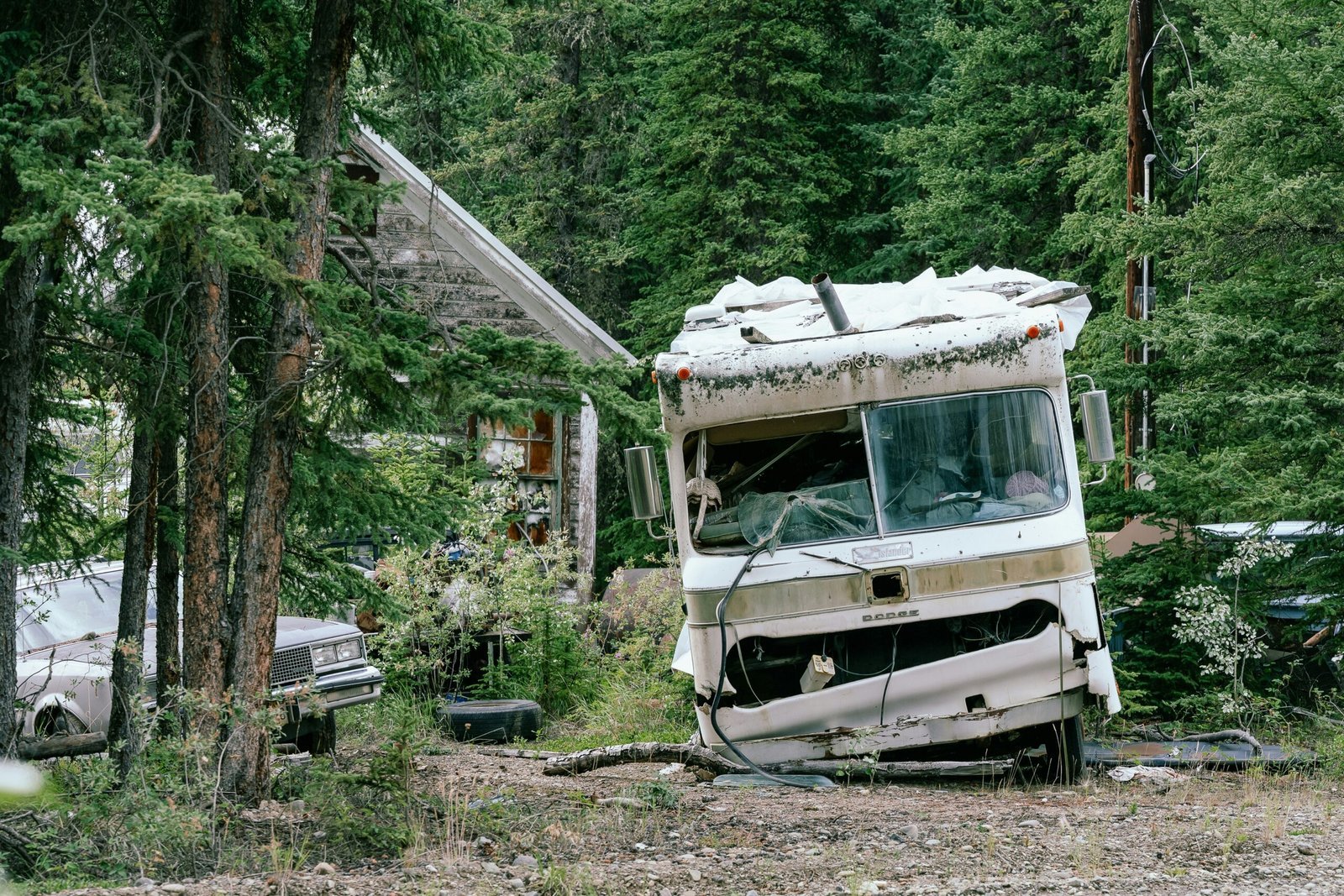
A well-looked-after van with 80,000 miles can be a better bet than a neglected one with 20,000. Trust your gut—if something feels off with the seller, the vehicle, or the deal, walk away.