Two Wheels, One View: A Pillion’s Ride to Portugal (Part 2)
Day 2: On Board Ship
This a practical, informative “transition day” entry, not a memory piece.
1. Route Overview
Include:
- Route: Portsmouth (UK) → Santander (Spain)
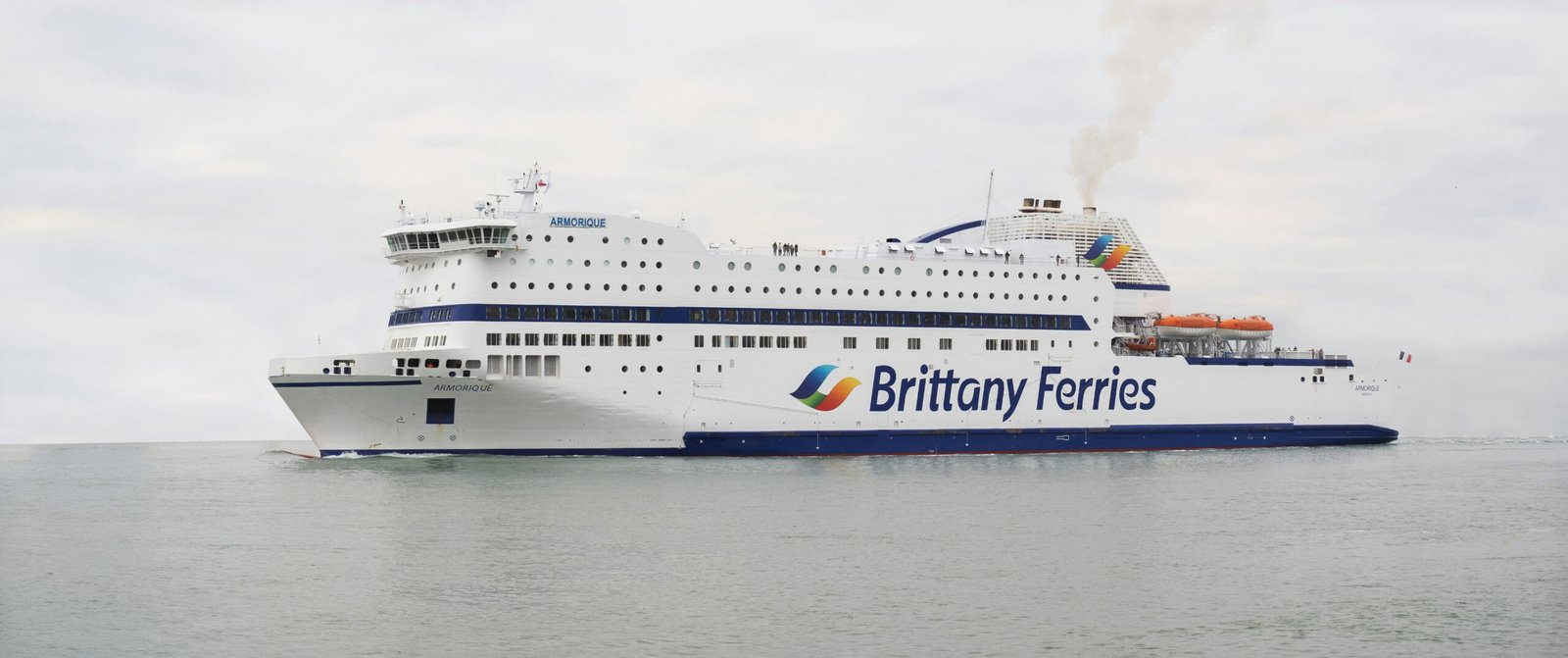
- Operator: Brittany Ferries
- Purpose: Skipping France and dropping straight into northern Spain
“Rather than riding the length of France, we opted for the Portsmouth to Santander ferry — a long crossing, but one that drops you straight into Spain ready to ride.”
2. Distance & Crossing Time
- Sea distance: approx. 520–550 nautical miles
- Crossing time: typically 24–28 hours
- Overnight crossing: yes (usually includes one night on board)
4. Life On Board
here are some of the facilities that you will find onboard:
- Cabins or reclining seats
- Restaurants, café, bar
- Outdoor decks (weather permitting)
- Shops / lounges
- Cinema
- TV in the cabin (not all cabins have a TV)
5. Time Passing at Sea
You can pass the time away with some of the following activities:
- Reading
- Eating breakfast, lunch and dinner
- resting to recover from or preparing for a long journey
- Socialising in the bar
- Whale spotting (weather permiting)
- watching TV if your cabin has one
7. Why This Ferry Makes Sense
- Saves multiple riding days through France
- Avoids toll roads
- Arrive rested (or at least not saddle-sore)
- Feels like a clean break between countries
Day 3: Santander to Santiago de Compostela
The weather was dry when we docked in Santander, but we had to wait a long time to get off the boat. We had a 4–5 hour ride ahead of us to our next destination, so we made the decision to wear our wet-weather gear, just in case. The road out of Santander port and city was good, and there wasn’t too much traffic. We made our way to the motorway (E70/AP9) and made good time heading towards the coast.
I can only describe the road as a combination of tunnels and viaducts, the longest tunnel being 2,375 metres. At some points along the route, the sea would come into view, showing us a lovely coastline of coves and beaches. When we stopped to refuel, we had views of the mountains, and as we climbed it started to grow colder—I wished I’d put more layers on.
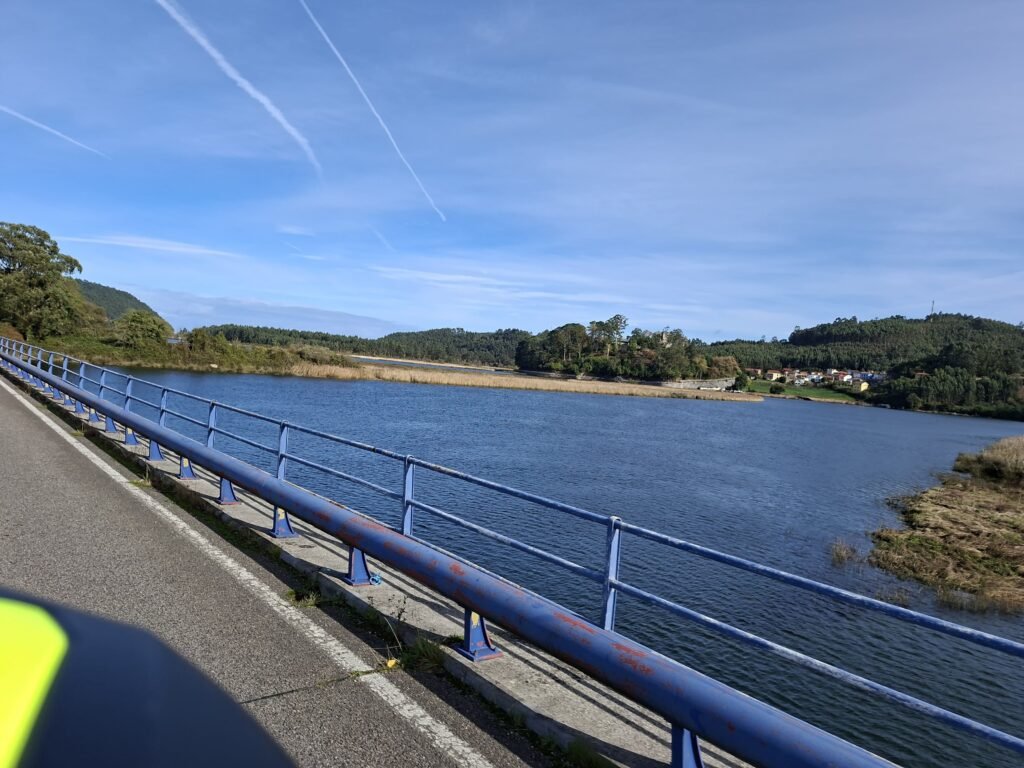
We changed to the AP9 motorway but still had occasional views of the sea. We stopped again to refuel and for a toilet break (name), then got on our way, climbing higher into the mountains where it started to rain. We were so pleased we’d kept our wet-weather gear on, because not only did it keep us dry, but it also gave us a little protection from the cold.
We arrived at our first stop, the Gran Hotel Los Abetos, in need of food and drink. After checking in and seeing our wonderful villa for the first time, we went over to the bar, where we found out that the kitchen was about to close in five minutes—but they kindly let us order food, which was very nice. We stayed in the bar for a couple of hours, had a couple of drinks, and then retired to our villa for a shower and an early night. We were absolutely knackered.
We were staying for five nights, and although it was a hotel, we’d been given a villa. It consisted of an entrance with stairs on the right leading up to a bedroom with the usual furnishings: bed, dressing table, and wardrobe. From the entrance, if you went down the stairs, there was a sitting area with a bed settee, a comfortable chair with footstool, a coffee table, and a large unit opposite the settee with a TV and fridge in it.
Day 4: Trip into Santiago de Compostela
We had a fairly good night’s sleep, and it was nice that the bed wasn’t moving like it had been on the ferry crossing. We went down for a continental breakfast in the restaurant, which was quite nice. The hotel runs a shuttle bus, which we caught into the town. The driver gave us a map and took the time to explain the different parts of the city.
We had a stroll around the city and gardens, with a little shopping along the way. The city is full of beautiful buildings with stunning architecture. The cathedral is awe-inspiring, making you think about the time it must have taken not only to build this magnificent structure but also to produce all the sculptures and carvings that cover its façade.
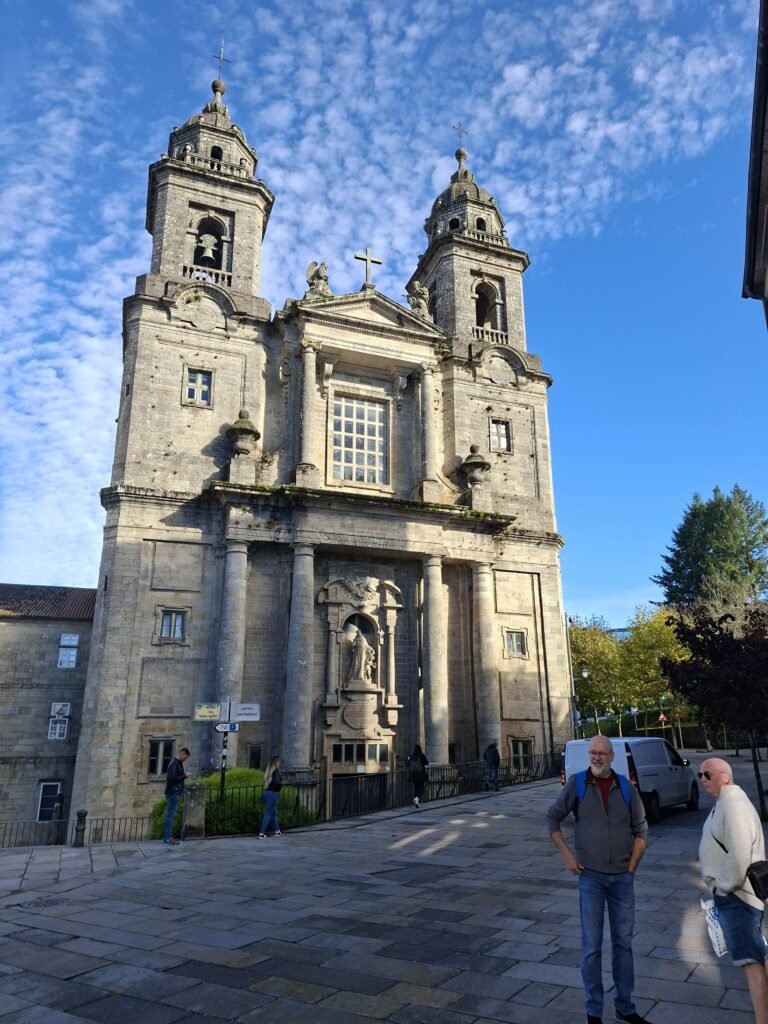
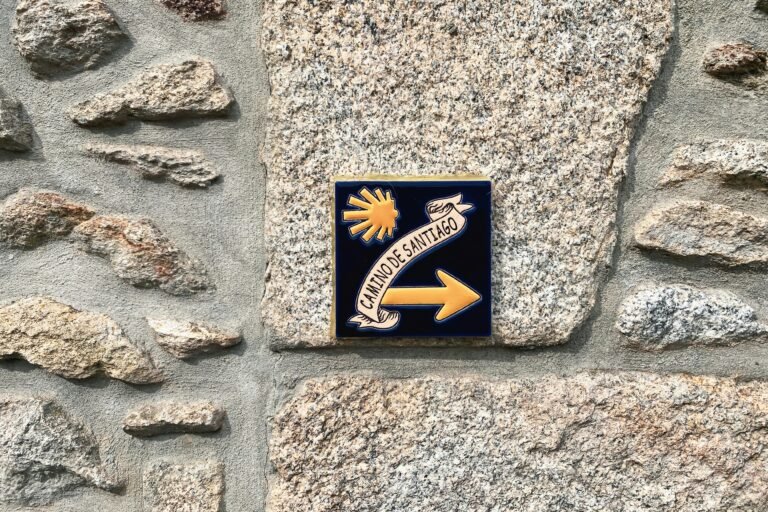
There is a very large square in front of the cathedral where people choose to rest or meet up with others. The square is flanked on all sides by other large buildings, some undergoing renovation, but again with beautiful carvings around the doorways. This place is a mecca for people who love to walk, with a network of pilgrimage routes leading to the tomb of the apostle St James, which lies within the cathedral.
Day 5: A Coruña
We went over to the restaurant again for breakfast, then caught the shuttle bus to the train station. We purchased return tickets to A Coruña (€48 for four people). It was a really nice train; we had allocated seats and it was reasonably comfortable. It took about 30 minutes to get into A Coruña with no stops on the way.
Our shuttle bus driver had advised us to get either a bus or taxi into Plaza de María Pita, as this was the town centre, so we did just that and got a taxi. The plaza is quite large, as they often are in Spain, with buildings on each side and exits on each corner leading to other parts of the city.
We set off on a walk around the shops and then tried to find the Torre de Hércules. There is a port here, but also a harbour with small boats and a few beaches scattered around the peninsula, although the beach access where we’d walked was taped off. We later found out this was because of the swell of the sea crashing against the rocks scattered around the beach, and the local authority didn’t want anyone swimming.
We found the monument to Hercules—a tall square tower with a lighthouse on top. We made our way towards the structure up a reasonably inclined roadway. When you reach the top, there are steps onto the base of the monument. Just before the steps, there’s a brass statue of a military man with his dog, which we had our picture taken with.
It had been windy since we’d arrived, with some respite in the built-up areas, but as we climbed the steps the wind almost blew us off our feet. We had to lean into it to move around the bottom of the monument. The views out to sea and around the peninsula were beautiful. I understand you can buy tickets to go to the top of the monument, but on this particular day I’m not sure that would have been enjoyable.
We made our way back towards the Plaza de María Pita, where we stopped for food at Murphy’s Bar before getting a taxi back to the train station. We waited in the station café, where they had a good selection of food and drink, but as we’d just eaten, the beer and wine were just perfect.
In addition, I asked AI to produce a summary of the day’s walk using the MapMyWalk app, and whilst this has not been checked, you may find the supplementary information of interest – A Coruña – Google Docs.
Day 6: Rain Stopped Play!
We decided not to go for breakfast in the hotel today, as we weren’t really eating €17 worth of food each, and planned to eat later when we went out. We had a lazy morning with a cuppa and a book. We hadn’t realised it was raining cats and dogs outside until we opened the door to hang the “Do Not Disturb” sign so housekeeping wouldn’t come in.
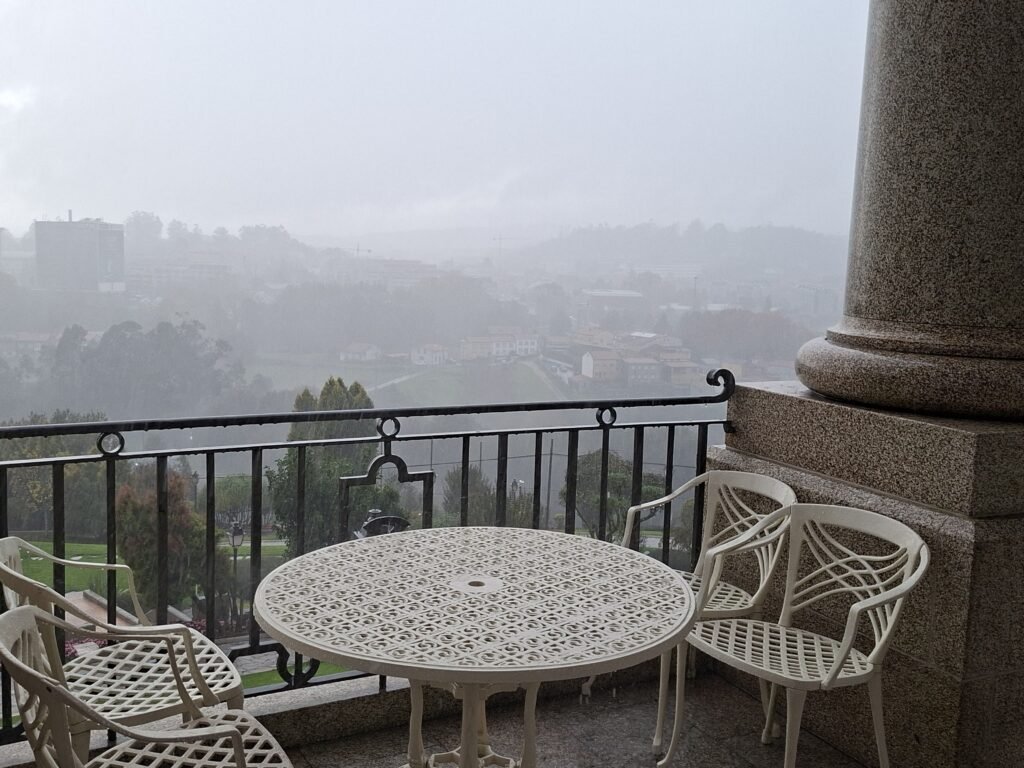
We weren’t going far in that weather, so it was another cuppa, a shower, and more reading. At lunchtime we wandered over to the hotel bar for food and drinks, which passed a couple of hours nicely, and then we headed back to the room—as it was still raining.
We didn’t do anything else today apart from reading and drinking endless cups of tea and coffee.