Motor Home Trip to the UK
4,924 kilometres by Road, Rail and Sea
There’s something special about setting off in a motorhome – the freedom to go where you want, when you want, with your home on wheels always waiting for you. Our latest journey took us from our home in Partaloa, Almería, all the way to the UK and back again, a trip filled with ferries, tunnels, and a patchwork of campsites along the way.
Partaloa to Fuengirola
We left Partaloa on a bright Andalusian morning, heading southwest toward Fuengirola. The drive (about 330 km / 3.5 hours) takes you down the A-92 and along the coast road to Málaga. It’s an easy route, with plenty of fuel stops and roadside cafés. We like to pause near Granada for a coffee, breaking up the journey before hitting the busier coastal roads.
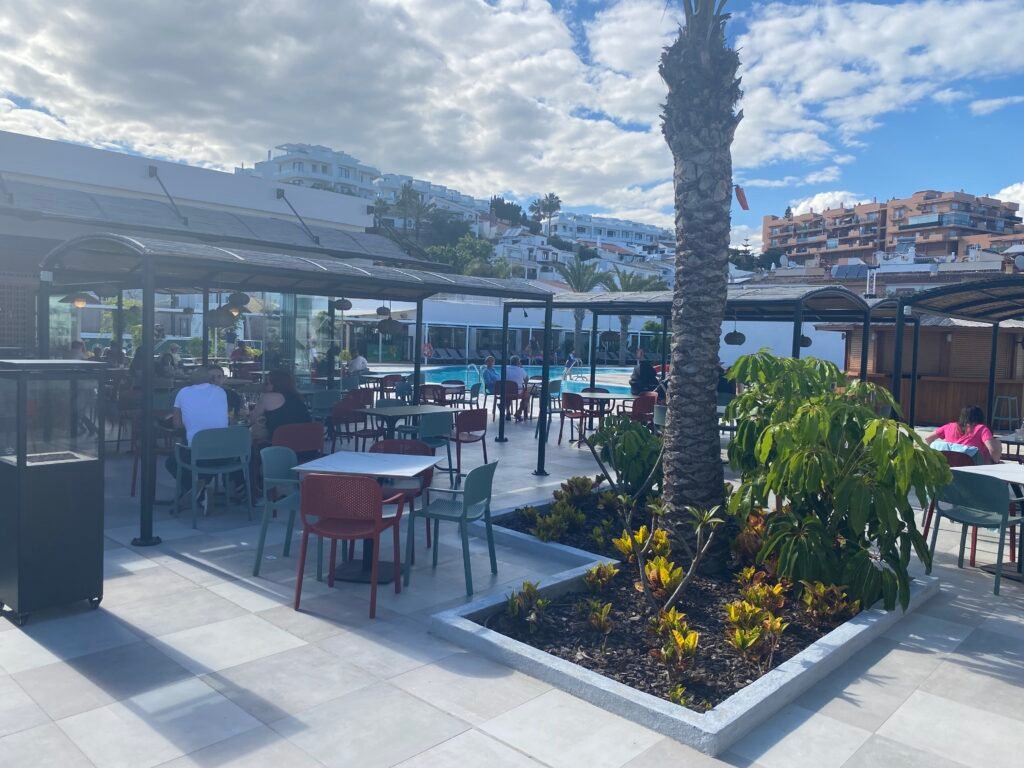
Fuengirola made a great first 3 night stop before tackling the long push north to Bilbao. We stayed at Costa de Sol Glamping. They have about 20 motor home/caravan pitches (no tents). The rest of the accommodation is made up of glamping pods and bungalows.
Fuengirola to Bilbao
From Fuengirola we headed north, covering around 900 km to Bilbao. This is one of the longer stretches, so we recommend splitting it if you prefer a slower pace. Toll roads (AP-68, AP-7) can add up, but they save time and wear on the van.
If you want to break the journey, there are plenty of Área de Autocaravanas (motorhome stopovers) in Castilla y León for €5–€10 a night with basic services. We tend not to use the Área de Autocaravanas because we feel that we have everything you need in the motor home. we find that if you just want to stop somewhere to rest and re-fuel, yourselves and the van, there is nothing more convenient that a motorway services. On this trip, we stopped at —— for night. it has fuel, toilets, restaurant and a shop.
Bilbao to Portsmouth
After arriving in Bilbao with a few hours to spare, we were sent through customs to the waiting area. We had a quite amusing moment after passing our passports and resident card to the customer officer, as he realised after stamping one of the passports that he shouldn’t have. The expression on his face was an absolute picture. Once parked up, we relaxed with a cup of tea and a bite to eat. We boarded the Ferry and set sail on time.
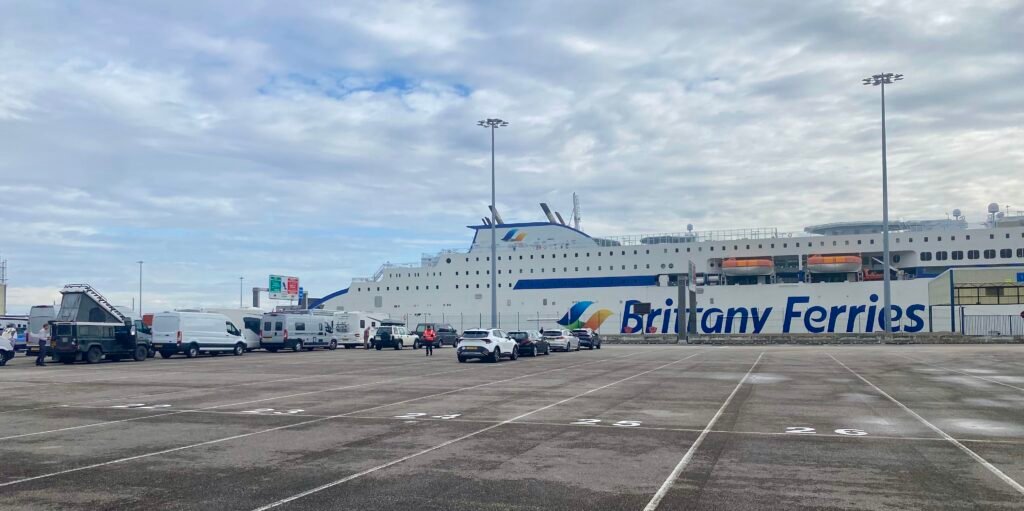
Prices vary depending on season and cabin choice, but expect €400–€600 return for two people and a motorhome. The crossing takes around 24 hours, and cabins are well worth it for a good night’s rest.
Tip: book early, especially in summer, as motorhome spaces sell out fast.
Portsmouth to Melbourne
We arrived in Portsmouth on time and were quite fortunate to be one of the first to disembark. After a few days of road and sail, we were in need of supplies, as luck would have it, there is a 24 hour Asda in Portsmouth, so we headed there.
Travelling anywhere by road in the UK is a challenge. At night on motorways is a nightmare. every junction that we needed was closed. I’ll say no more.
Eventually we arrived in Nottingham at my sister’s house at 2am, where we were spending our first night before heading to Dovesite Caravan Park in the morning.
Dovesite Caravan Site
Dovesite is a charming site. The owners are very friendly and helpful. The pitch fee is £15 per night, you pay extra for electricity, you purchase cards from the owner in £1 or £5 denominations, the are no facilities, so you have top be self reliant. There is an Ulsan point.
The campsite is a 10 minute walk down into Melbourne, and is within easy access to Derby and the Peak District.
We spent 5 nights at Dovesite, which gave us chance to Visy friends and family that we hadn’t see for quite a while.
UK to France
From Melbourne we headed south to Folkestone for the Channel Tunnel. The trip takes around 3.5–4 hours (350 km).
The Eurotunnel is quick and convenient: 35 minutes under the Channel, around £100–£150 each way depending on booking time. Motorhomes fit without issue, but check height limits if you have bikes or storage boxes on the roof.
We didn’t book in advance because we were undecided about taking the train or ferry to France. As a result of not booking in advance, we were sent to the vehicle check area, apparently anyone that does not book in advance gets checked. the staff at the vehicle check were very efficient and friendly.
The crossing was simple and smooth and we arrived in France without any issues.
Coquelles – Mèze
Once through the tunnel, we headed for Mèze in the south France a drive of about 1034 km. As it was such a log journey we had a stop at AUTOGRILL Aire de Plaines de Beauce on the A10. The local campsite cost around €18–€22 per night, with full services and spacious pitches. It’s a quiet area, ideal for an overnight rest with the bonus of local bakeries in the morning.
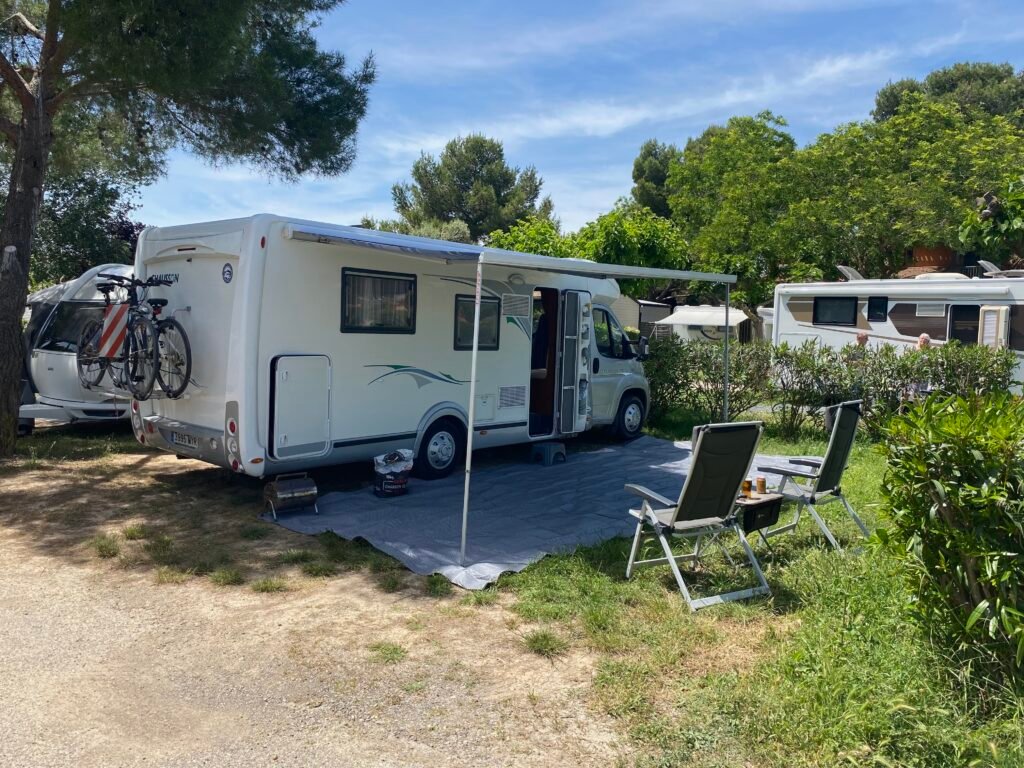
Camping Beau Rivage
Set right on the shores of the Étang de Thau, the campsite offers stunning views and easy access to the water. It’s just a short walk to the beach and the charming town center of Mèze, where you’ll find local markets, seafood restaurants, and a relaxed southern French vibe. The proximity to Sète and Cap d’Agde makes it a great base for exploring the Hérault region
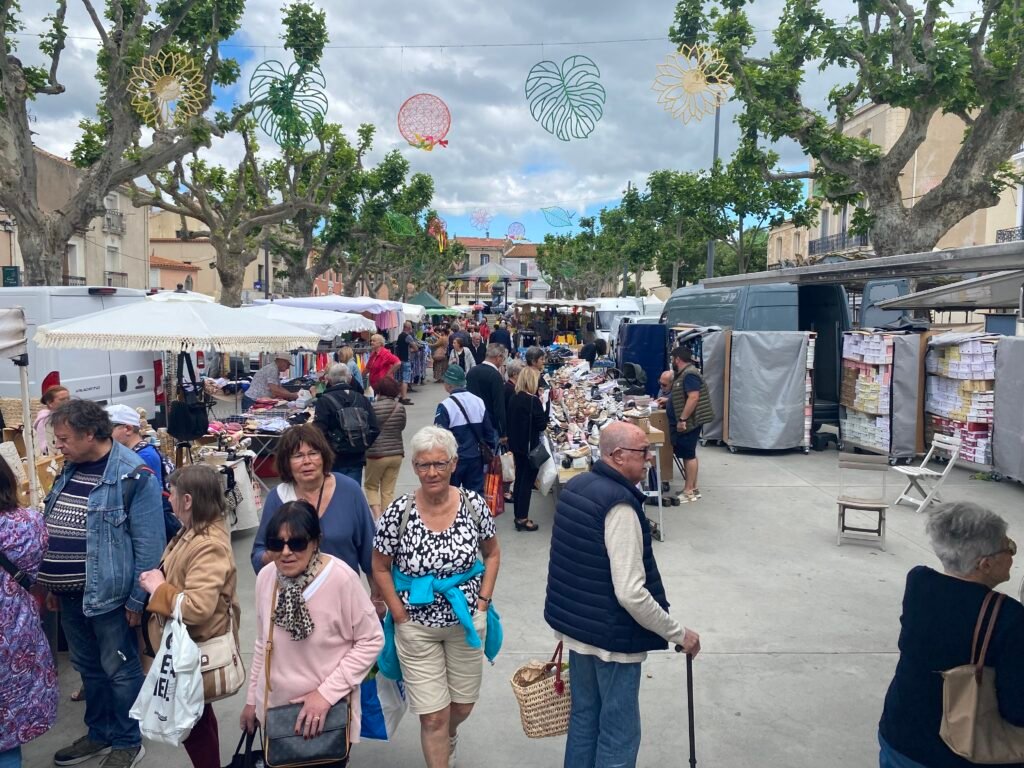
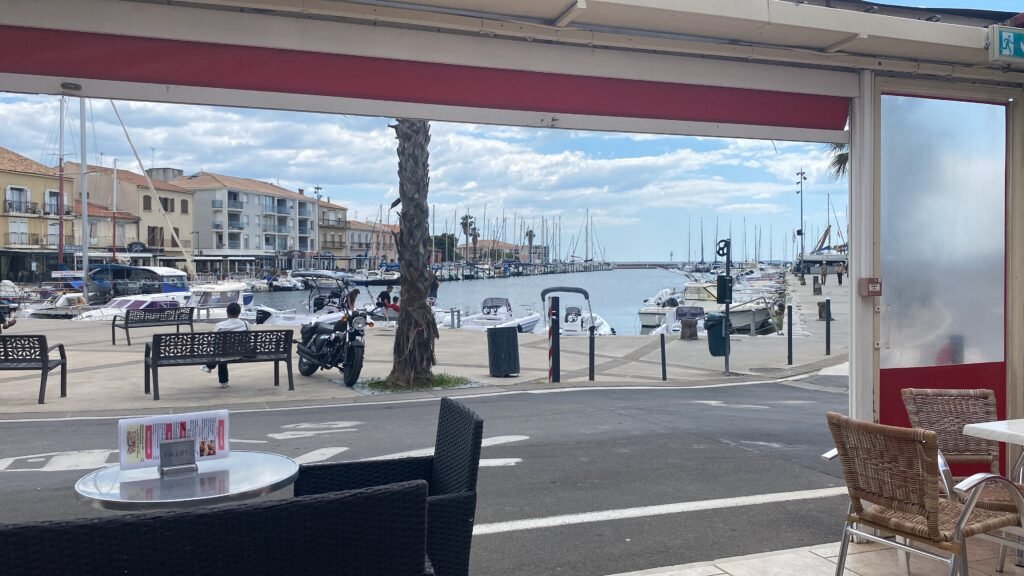
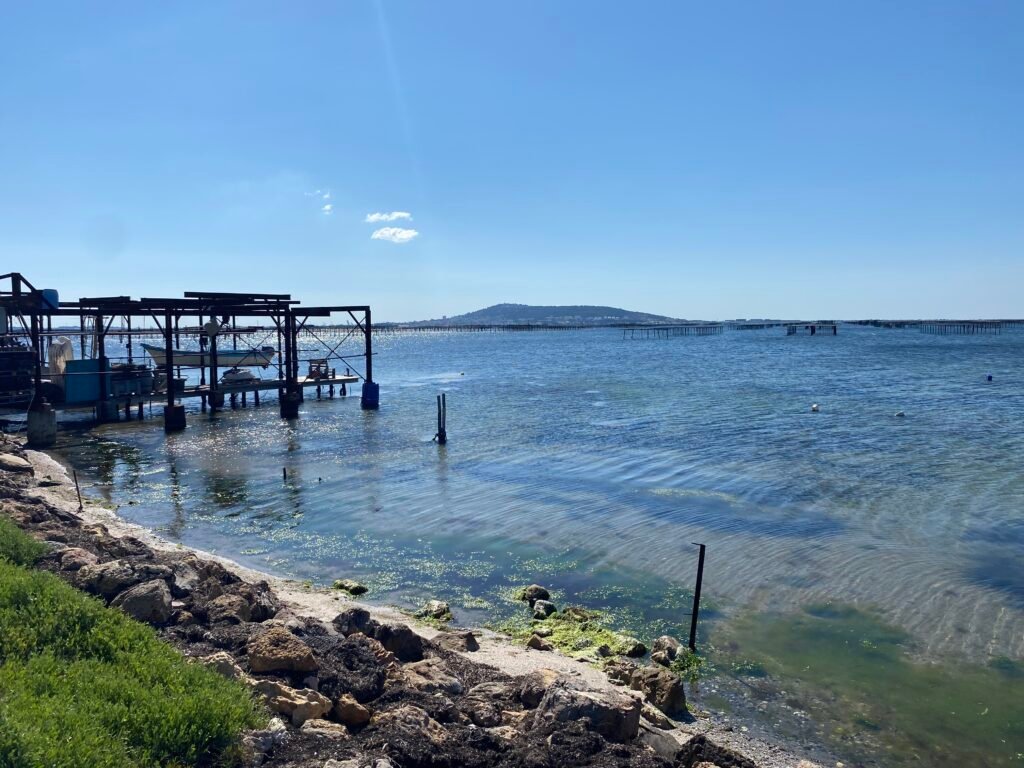
One of the best parts of staying in Mèze is the access to fresh seafood—especially oysters and mussels from the nearby shellfish farms. A short stroll into town brings you to cozy bistros and waterfront cafés where you can sip local wine and watch the activities in the marina.
There is a lovely little cycling route from Mèze to Bouzigues with a dedicated greenway that hugs the coast and offers stunning views of the lagoon.
Distance: 5 to 7 km one way, depending on your exact start and end points
Duration: Around 20–30 minutes at a relaxed pace
Difficulty: Easy — mostly flat and paved, perfect for all skill levels
Highlights:
- Oyster farms and shellfish beds along the lagoon
- Peaceful waterfront views
- Bouzigues’ charming fishing port and seafood restaurants
We stopped at Chez Turlot for a couple of refreshing glasses of beer
Mèze – Blanes
The drive from Mèze to Blanes is around 330 km (about 4 hours), making it an easy day on the road. The drive was uneventful, apart from a very windy stretch as we passed Perpignan.
Camping Bella Terra
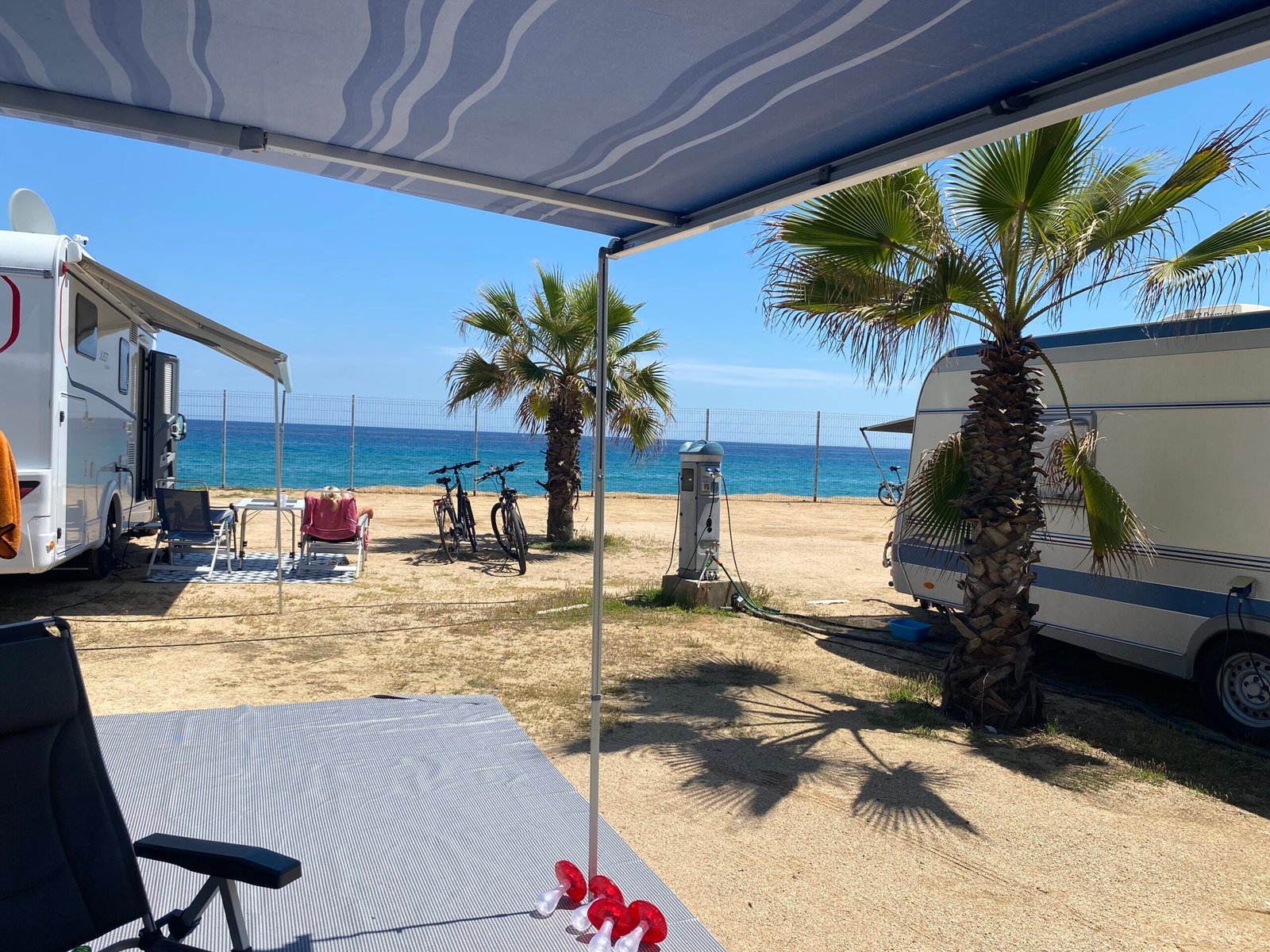
We arrived in Blanes and checked in at Càmping Bella Terra. We’d paid a few euros extra to be closer to the sea, and were very happy to be on the second row.
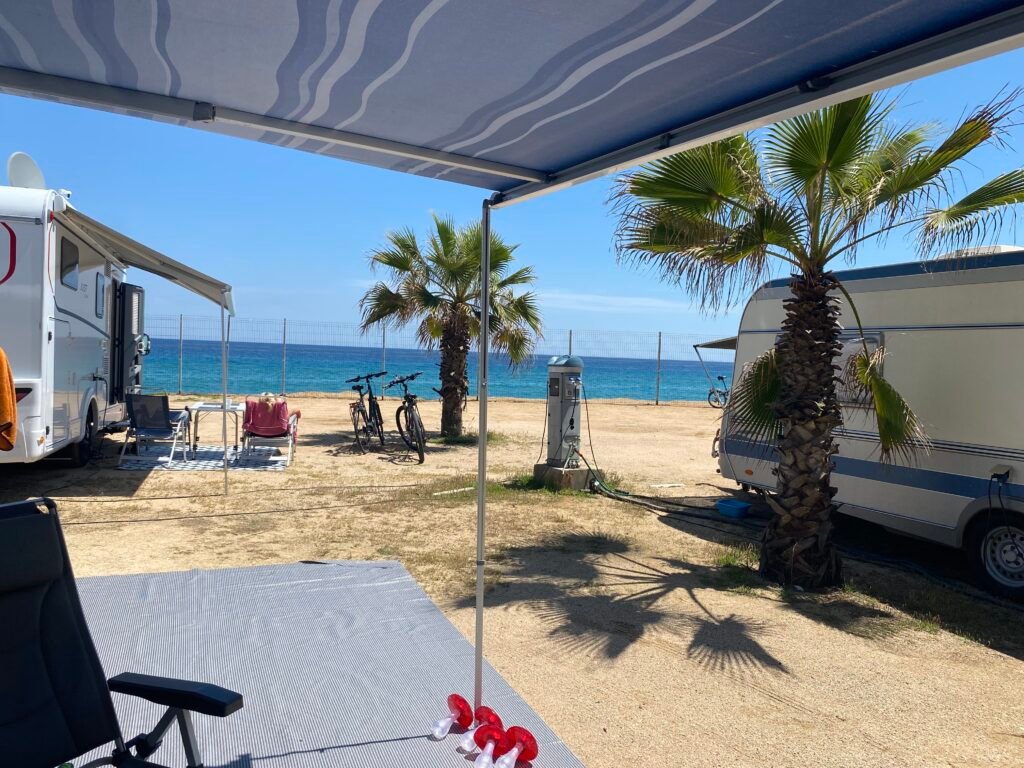
The facilities on site are excellent and modern and always spotlessly clean.
Also on site there is a large adventure type swimming pool and a very nice bar and restaurant area.
The site is very well laid out in a grid and the pitches are a good size.
Blanes Town
Sitting just north of Barcelona, this lively seaside town combines the charm of a traditional Catalan fishing port with the buzz of a modern holiday destination.
The seafront promenade is the beating heart of Blanes. Stretching alongside a wide sandy beach, it’s perfect for morning walks, afternoon swims, or evening strolls with an ice cream in hand. The water here is clear and inviting, and families will love the gentle waves and good facilities dotted along the shore.
Blanes also has a vibrant food scene. Fresh seafood, traditional tapas bars, and Catalan specialities are easy to find. Don’t miss the daily fish market in the harbour, where local fishermen bring in their catch – a reminder that this is still very much a working fishing town beneath its tourist appeal.
Without a doubt, our favourite place to eat is Cafe Terrassans. It’s cheap, the service is some of the fastest anywhere and the value for money is amazing.
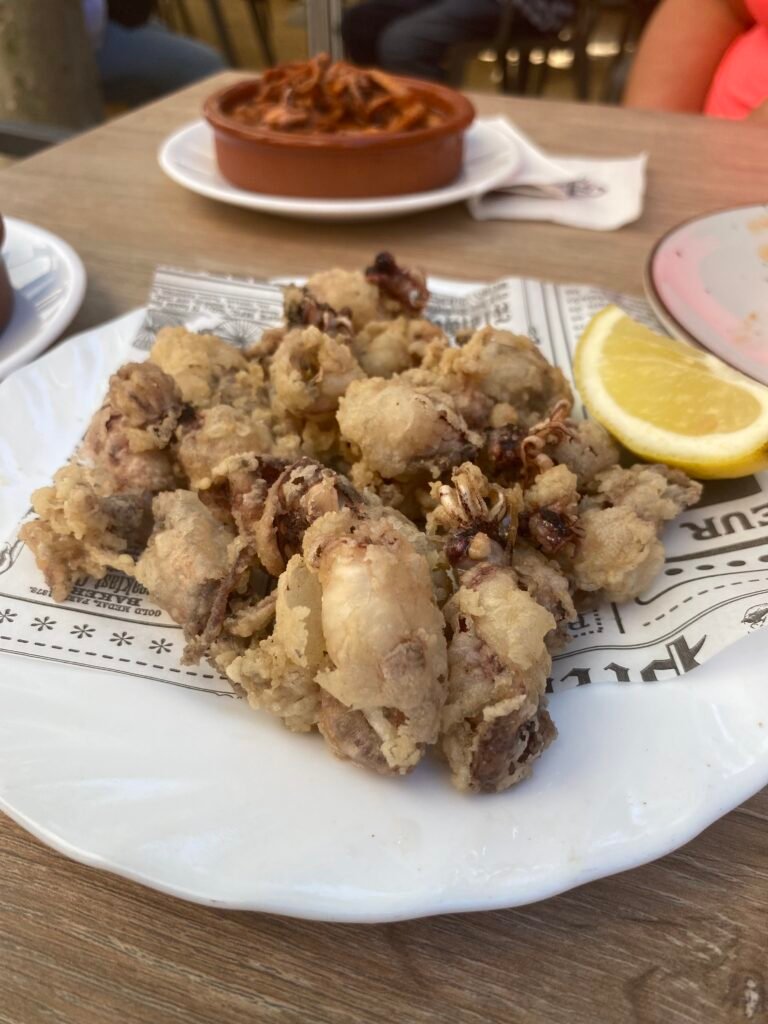
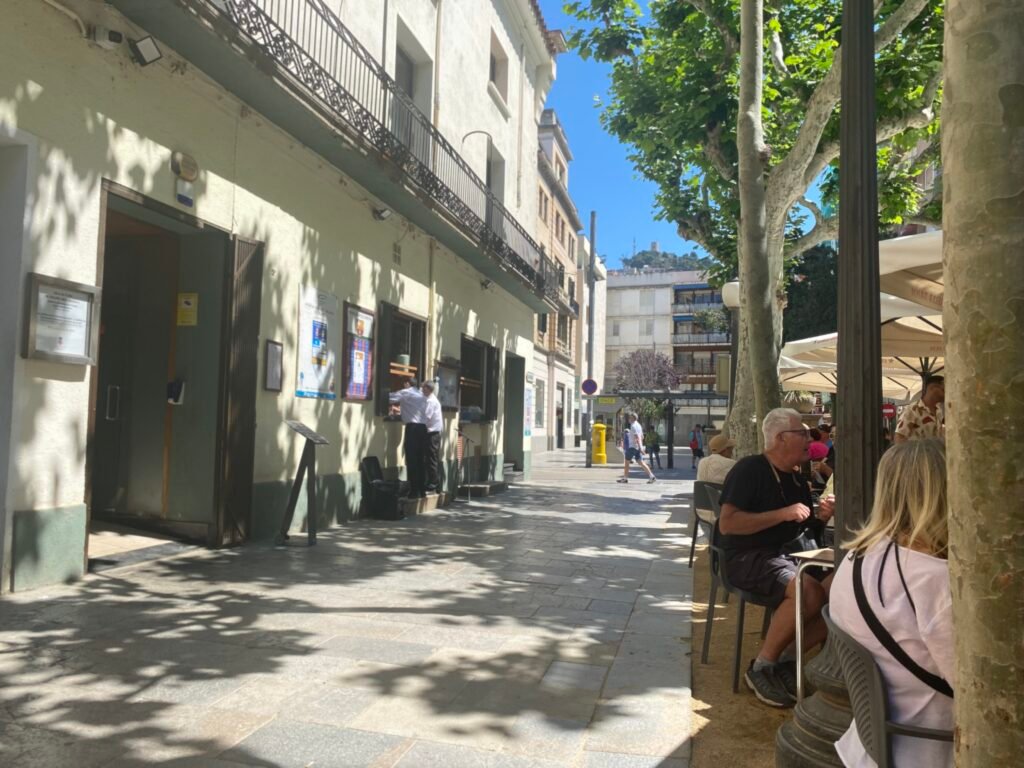
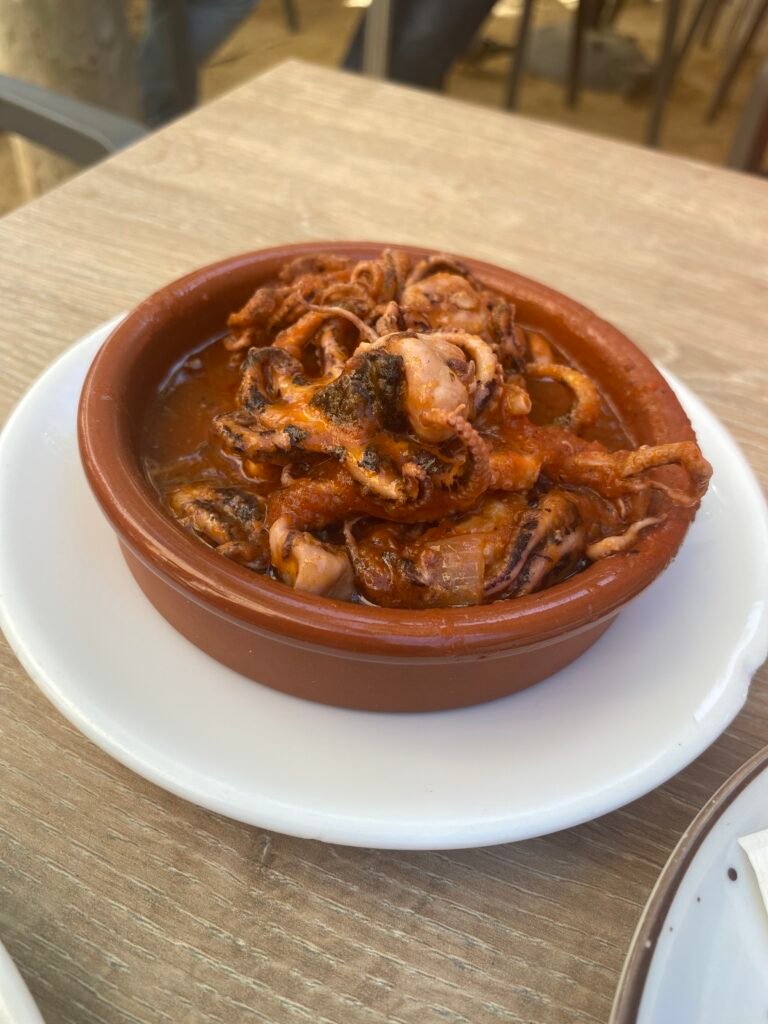
Blanes will always be a special place for us and I’m sure it won’t be too long before we return.
Blanes – Peñíscola
Leaving Blanes, we continued our journey south along the Mediterranean, following the AP-7 motorway. The drive from Blanes to Peñíscola is around 350 km (about 4 hours).
As you pass Barcelona and skirt around Tarragona, the landscape changes from the rugged Costa Brava cliffs to gentler coastline lined with orange groves and seaside towns. It’s a beautiful stretch of road, with the sparkling sea on one side and the mountains rising inland on the other.
Our base in Peñíscola was Camping Edén, a large, well-equipped site just a short walk from the beach and town. The site is perfect for motorhomes, with quite spacious pitches, reliable electric hook-up, and clean facilities.
The long sandy beach is ideal for relaxing, swimming, or simply strolling along the shore. After the much busier Blanes, Peñíscola felt a little more laid-back, with plenty of charm and history to soak up.
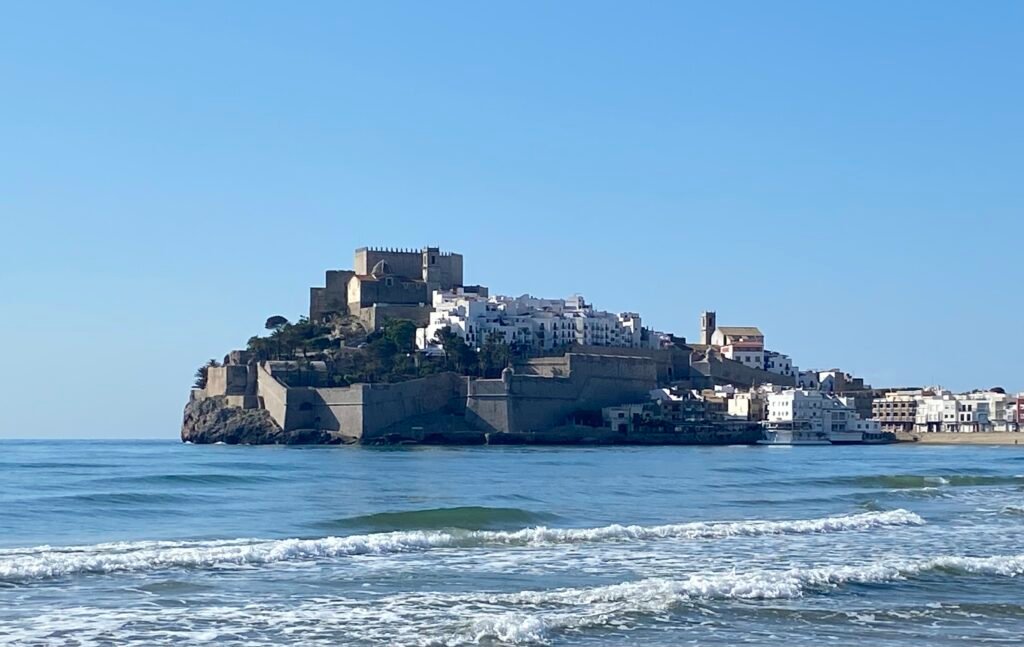
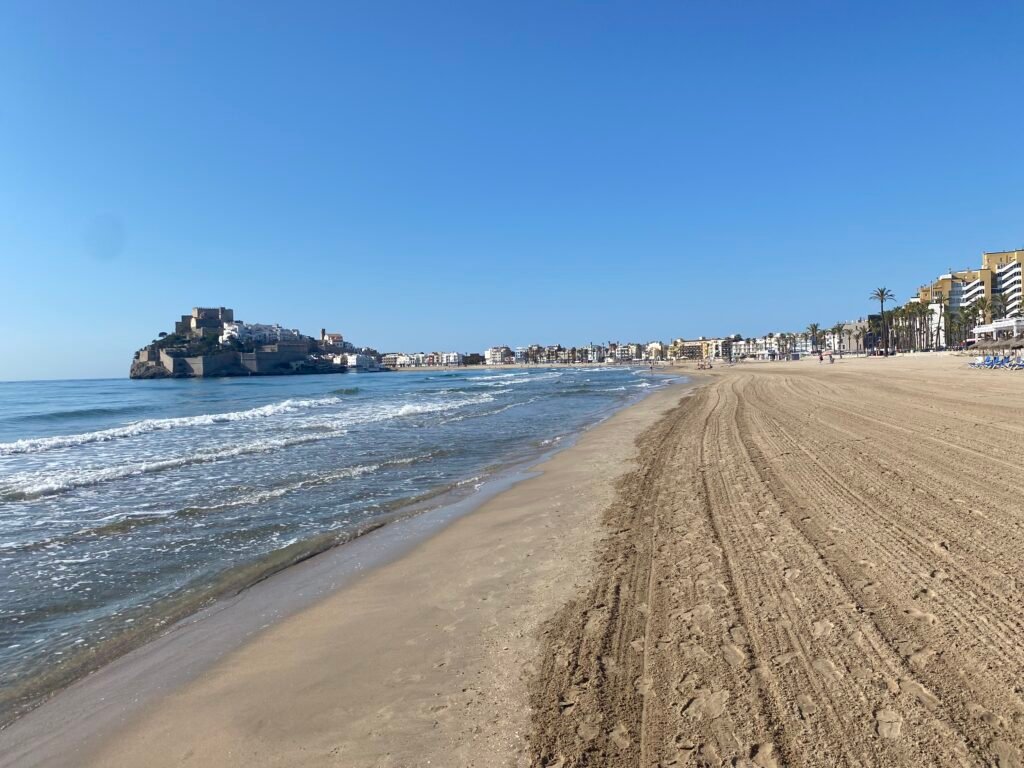
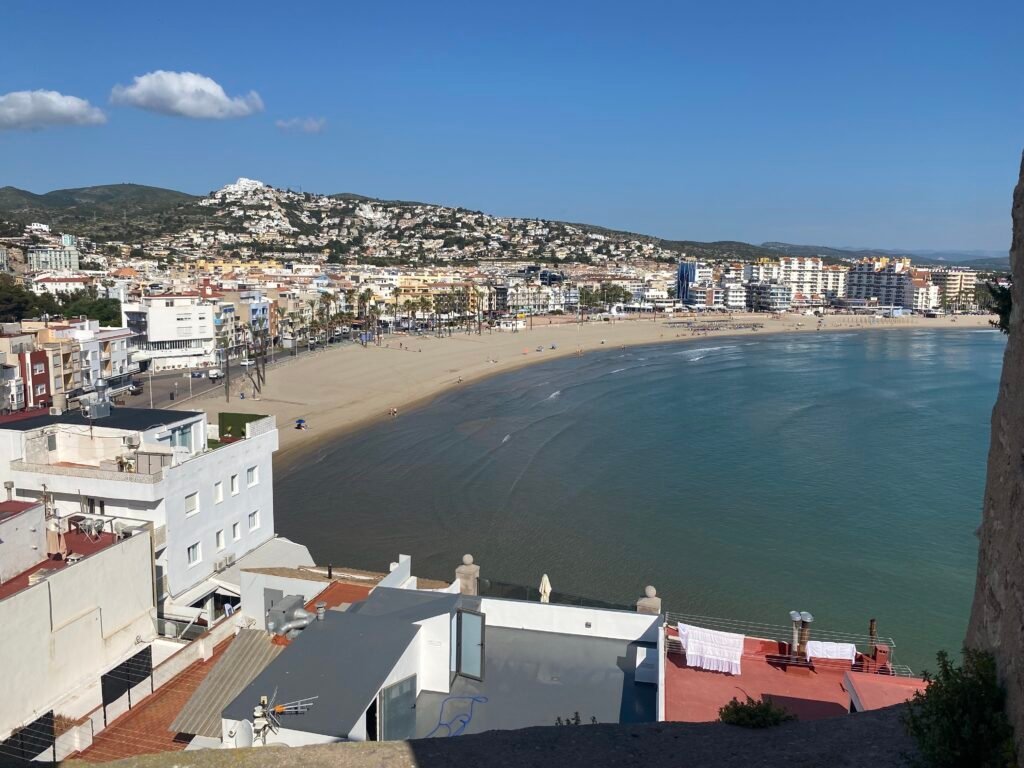
Camping Edén made the perfect base — close enough to walk everywhere, yet peaceful and comfortable when it was time to retreat back to the motorhome. Three nights was just right to experience the best of the town before moving on.
Peñíscola to Partaloa
After three relaxing nights at Camping Edén, it was time to turn south again for the last leg of our journey back to Partaloa. The drive from Peñíscola is around 450 km (about 5 hours).
Rolling back into Partaloa, the sense of completing a full circle was incredibly satisfying and sad at the same time. From Andalusia to the UK and back via France, our motorhome had carried us through vineyards, across the sea, along winding coastlines, and back into the olive-dotted hills of home.